- Digital Surfer
- Posts
- Still-Live BF Deals and the Topic Gaps Your Competitors Leave Open
Still-Live BF Deals and the Topic Gaps Your Competitors Leave Open
AI SEO Myths; AI-First Discovery; Weak Sites Can't Be Rescued; To Block or Not Block Bots; Opus 4.5 is Great at Coding; Prompting Techniques; and Much More!

Yoyao
November 29, 2025 • Est. Learning Time: 8 minutes
In partnership with

FIRST …
Black Friday deals ending soon. What have you picked up so far?
I’ve learned the hard way: big discounts don’t automatically equal great software. A low price can rope you into something shiny that never becomes part of your actual workflow. These days I only jump on deals for tools I already know I’ll rely on long-term.
So far, my only gets this Black Friday have been the RackNerd 6-core, 8GB RAM VPS for $62 per year, and a few streaming promos I recycle by making a new account each year. No judgment, just tactics 🤫
Most of my core tools don’t offer seasonal discounts, or they’re proprietary systems I’ve built inside Floyi. After buying, testing, and abandoning more deals than I care to admit, I’ve cut down to what actually sticks. Even now, I often end up paying full price after introductory pricing expires because it’s less friction than fighting expired promo codes every year.
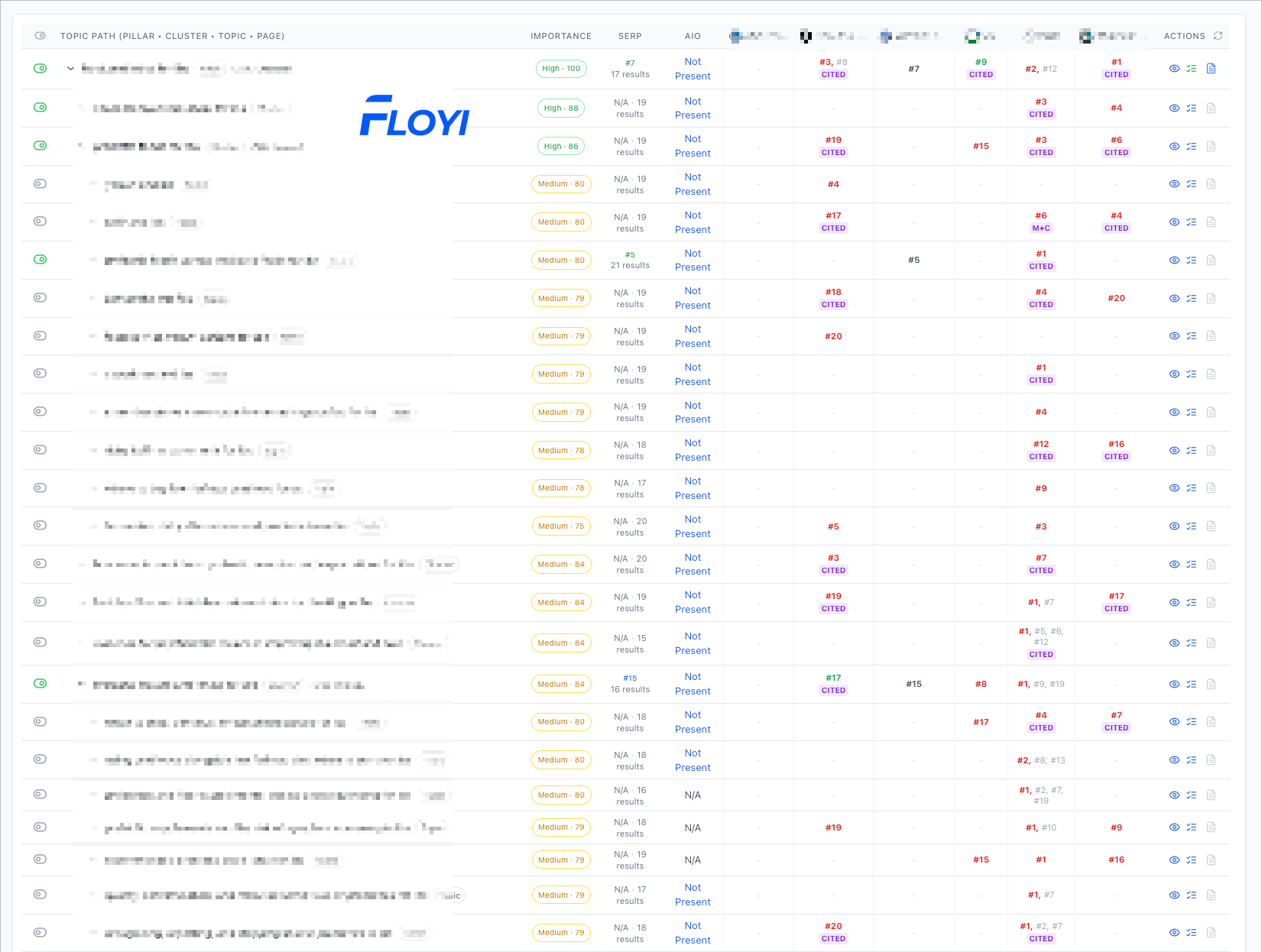
Speaking of systems that actually earn daily use: Floyi’s Authority Planner is rolling out an upgrade that shows competitor topic coverage, rankings, AI citations, and topical map overlap.
Instead of digging through lists of queries, domains and half-useful keyword overlaps, Floyi organizes the competitive gaps using your topical map. You can spot entire topic categories where competitors are weak and move on them with confidence, speed, and proof instead of guesswork.
Here’s a preview coming very soon. You’ll see your Pillars, Clusters and Pages ranked next to competitor coverage, citation volume, and content gaps so you know exactly where opportunity lives, and what to build first.
If you want this in your workflow, grab Floyi’s Black Friday deal while it’s still live.
AD
Shoppers are adding to cart for the holidays

Over the next year, Roku predicts that 100% of the streaming audience will see ads. For growth marketers in 2026, CTV will remain an important “safe space” as AI creates widespread disruption in the search and social channels. Plus, easier access to self-serve CTV ad buying tools and targeting options will lead to a surge in locally-targeted streaming campaigns.
Read our guide to find out why growth marketers should make sure CTV is part of their 2026 media mix.
SEO + GEO
Rosanna Campbell busts AI SEO hype, showing SEO is alive but scattered across Google, social search, and AI answers. Data proves Google use stays steady or rises after people adopt ChatGPT, and the SEO market is still growing 16.7% annually. LLM visibility is a probability game driven by structure and off-site signals: 85% of brand mentions in AI answers come from third-party domains, and nearly 65% of AI bot visits go to pages published in the last 12 months. To win, rank for high-volume topics since citations cluster on popular prompts, chunk topics cleanly so fan-out queries still hit, and track branded searches, direct traffic stability, and AI citations to measure real exposure.
Francine Monahan shows how to tune content for RAG: break pages into tight, question based sections, use entity rich language that models can embed, and watch AI crawlers in your log files so you fix crawl and render issues. Then she reframes reporting into three buckets: input metrics like passage relevance, channel metrics like citation rate and sentiment, and performance metrics like LLM referral revenue.
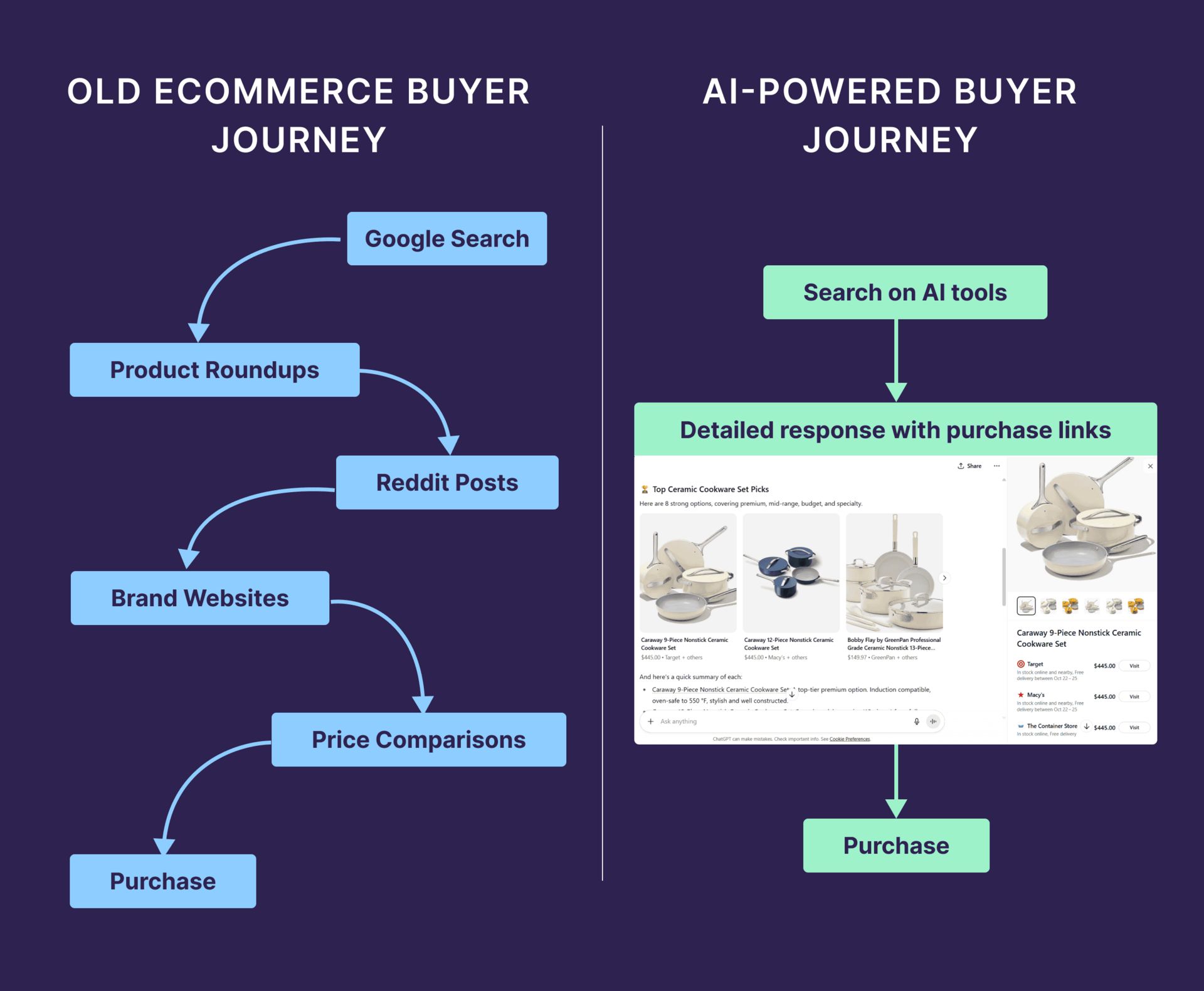
Shreelekha Singh explains how ecommerce brands stay in the AI results that matter by winning three things: brand mentions, citations, and product recommendations. She shows that LLMs look for consensus across Reddit, YouTube, review sites, and retailers, plus consistent product data everywhere your catalog appears. Your job is to sync titles, specs, and pricing, invest in publisher listicles and expert reviews, and seed honest conversations in communities where buyers hang out.
Amy Copadis breaks down seven ecommerce blogs that prove blogging still drives growth even in the AI search era. From Garmin’s authoritative deep dives and Petlibro’s blend of informational and commercial posts to Great Jones Goods’ visual storytelling and Thinx’s mission-led content, each brand shows how to win visibility, trust, and conversions. The playbook is clear: answer real questions, balance education with subtle product promotion, and create content that AI can’t replicate. Whether it’s videos, visuals, or community voices, your blog’s edge is human creativity done with intent.
Mateusz Makosiewicz shows that AI assistants mention Ahrefs a lot but link to it far less, which matters for how you measure AI visibility. Across 31,000 prompts, citation rates range from 10.7% in AI Overviews to 51.6% in Perplexity, yet the linked mentions tend to appear on high volume queries. His suggestion is to track impressions, not just citation counts, using search volume as a proxy for prompt popularity. See where you are cited, double down on high traffic topics, and cover them deeply so fan out queries still land on your pages.
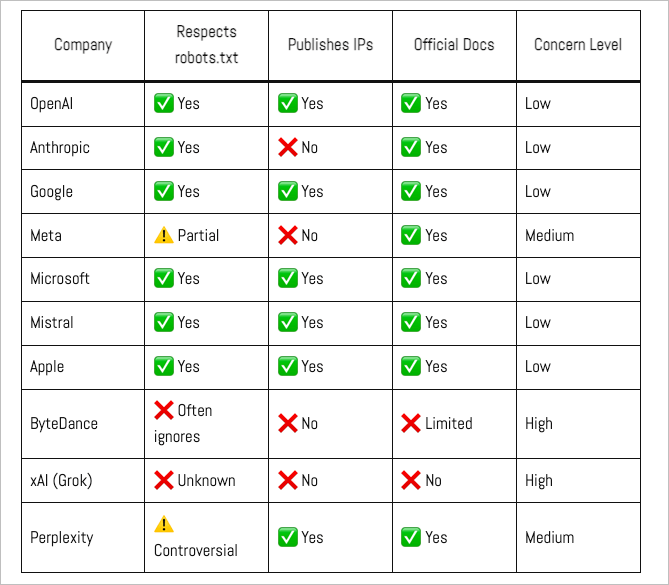
Dan Petrovic walks through the real question behind AI crawlers: which bots help you and which quietly strip-mine your content. He separates training data scrapers from agentic assistants, then shows how to use robots.txt, user agents, and IP ranges to shut out the data miners while keeping AI search and assistants that can actually send you users. He points you to live bot lists and tools like Cloudflare’s AI controls, urges you to watch server logs for spoofed “Chrome” traffic, and reminds you to keep your allow-block rules updated as new bots appear. And there’s a list of how the bots treat your robots.txt:
Yulia Deda unpacks a fresh study of 129,000 domains and 216,000 pages to show what actually gets you cited by ChatGPT. The winners are big, trusted sites: domains with over 32,000 referring domains are 3.5 times more likely to earn citations, and homepages with at least 7,900 organic visits roughly double their odds. Long, updated content wins too, especially pieces over 1,900 words refreshed every few months. Social proof matters: brands with millions of Quora and Reddit mentions see about 4x more citations. LLMs.txt and FAQ schema barely move the needle. Focus on authority, depth and speed.
SEO + GEO Ripples
John Mueller tells SEOs to skip building Markdown or JSON copies just for LLMs and focus on fixing the pages users see. Mueller reminds us that LLMs already parse normal HTML, so your gains will not come from a new file format but from clear content structure, pages, and minimal JavaScript. The practical move is to invest in schema where platforms publish specs, like product feeds, and keep your HTML clean and consistent. If AI companies want formats, Mueller says they will shout it from the rooftops.
John Mueller’s blunt message to site owners: you cannot rescue a weak, AI-stuffed site just by “humanizing” the copy. If your domain is full of low quality content, treat it as a rebuild, not a light edit. Strip it back, rethink the purpose of the site, and design a content strategy that actually adds unique value to the web. Sometimes it is faster to start on a clean domain than to fight the old one’s bad history, so be honest about which path gives you the best fresh start.
Barry Schwartz shares a sobering story about Google Ads manager accounts getting hijacked and turned into malware cash machines, then shows what you can do about it. Treat every unexpected access request email as guilty until proven innocent. Check the sender, hover on links, and never re enter credentials on lookalike domains. Audit your MCC regularly, delete dormant accounts and old users, and watch for surprise admins or new linked MCCs. If anything feels off, halt cards and bank billing.
AI
Forest Labs team shows how FLUX.2 turns image models into real production tools, not toy demos. They highlight multi reference support with up to 10 images, strong typography for infographics and UI, and sharp 4MP editing for product visuals. The post explains the [pro], [flex], [dev] and upcoming [klein] variants, plus the new VAE that boosts quality and compression. You also get practical notes on tuning steps and guidance in FLUX.2 [flex], running [dev] locally with fp8 on consumer GPUs, and using open weights or managed APIs for scalable creative pipelines across teams and products.

Claude Opus 4.5 is Anthropic’s new flagship model for real work when you need reliable long-horizon agents, complex code migration, or deep research across tools, slides and spreadsheets. Take advantage of the new effort control to tune speed versus depth, and combine it with context compaction and memory so agents can run longer with fewer tokens. They say they have stronger prompt injection resistance, which matters if you are deploying agents in production.
My Take: If you use Cursor, the first two weeks of Opus 4.5 is priced the same as Sonnet 4.5, so you can take advantage.
Dan Petrovic shows how to turn LLMs from fuzzy helpers into reliable SEO tools by using structured prompting. He covers chain-of-thought, multi-chain reasoning, self-refine and chain-of-verification to produce deeper analysis, fact-checked copy and stronger strategies. For international SEO, he uses chain-of-translation to find natural queries and long-tails in other languages. For messy problems like ranking drops or content planning, he combines step-back, plan-and-solve and self-ask flows into repeatable workflows.
In a Google for Developers video, Logan Kilpatrick’s conversation with Sundar Pichai reveals a playbook for how to ride the Gemini 3 wave instead of chasing it. Sundar explains how Google’s “full stack” mindset translates into a steady drumbeat of model upgrades that marketers can plug into products, workflows and campaigns. Nano Banana Pro hints at what is coming: search-grounded, auto generated visuals that turn dense research into snackable infographics. His launch routine is a reminder to watch social (X), dashboards and your own product for signal. The big opportunity is “vibe coding” using Gemini tools to prototype custom apps without a traditional dev team at all.
My Take: Obviously all about Google, but they’ve been putting out so much great stuff lately.
AI Ripples
ChatGPT’s new interface lets voice and text live in the same screen, so conversations feel natural and easier to track. Users can talk while watching answers appear as text, scroll back through earlier messages and see images or maps in real time. Voice mode now defaults to this integrated view across web and mobile apps, with an End button to return to typing.
Epic Games CEO Tim Sweeney thinks “Made with AI” labels on Steam and other stores are pointless as generative AI becomes part of almost every production workflow. He thinks disclosure makes sense only in contexts like art exhibits or licensing marketplaces where authorship and rights matter, not in consumer stores. Steam currently requires developers to disclose AI use after initially being cautious about AI-generated content.
OpenAI's Sora app is now under a restraining order over its "Cameo" feature, which lets users generate AI cameos of themselves and others. A federal judge barred OpenAI from using the word "cameo" or similar names in Sora until December 22, with a hearing set for December 19, after platform Cameo argued trademark infringement and consumer confusion.
CONTENT
Viola Eva shows how to turn “zero-click” AI behavior into a feature, not a threat. Instead of begging users to stay on your site, she adds a ChatGPT CTA at the top of posts that opens a prefilled prompt tied to that specific URL. She shows you how to set up your own on WordPress. Add a custom ACF field for a prompt, use a shortcode that swaps a [URL] placeholder with the current post URL, then output a styled “Open in ChatGPT” link or button.
TOOLS AND RESOURCES
Kevin Indig argues that the real upside in AI search is not fancy LLM monitoring dashboards but agentic SEO tools that actually ship work. He explains that dashboards are easy to switch off, while execution platforms get embedded into workflows and become very hard to cancel. For marketers, he recommends choosing tools that automate publishing across channels, plug into your CMS, and respect your brand rules instead of just reporting on visibility.
My Take: Definitely! But I’m biased because of Floyi 😆
WAYS WE CAN WORK TOGETHER
Floyi - Floyi is a closed loop system that connects your brand, audience and topics into content that wins in search and AI.
TopicalMap.com Service - Let us do the heavy lifting. We handle the research, structure, and strategy. You get a custom topical map designed to boost authority and dominate your niche and industry.
Topical Maps Unlocked 2.0 - Unlock the blueprint to ranking success. Master the art of structuring content that search engines (and your audience) love - and watch your rankings soar.
AD
Voice AI: Get the Proof. Avoid the Hype.
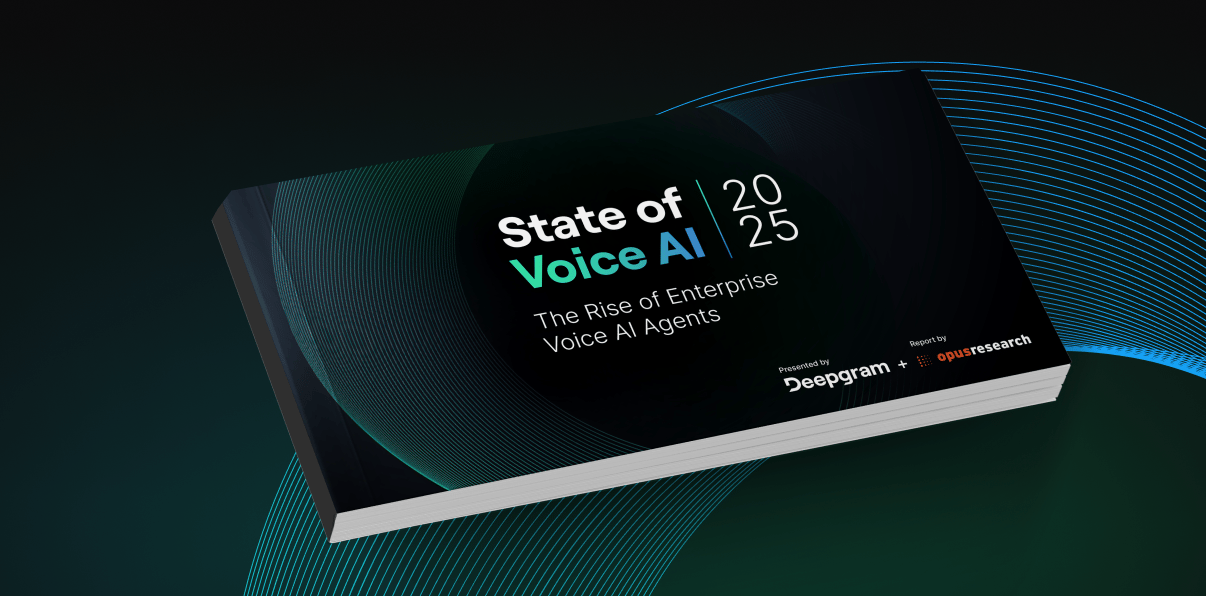
Deepgram interviewed 400 senior leaders on voice AI adoption: 97% already use it, 84% will increase budgets, yet only 21% are very satisfied with legacy agents. See where enterprises deploy human-like voice AI agents - customer service, task automation, order capture. Benchmark your roadmap against $100M peers for 2026 priorities.
LIKE DIGITAL SURFER?
Find me and others in the Digital Surfer Discord community.
I’d also love to know what you think and if you have any ideas for the newsletter. Reply or email me at [email protected].
I’d also appreciate it if you shared it with fellow digital surfers.
{{rp_personalized_text}}
Have a great week taking your SEO and digital marketing to another level!
And don’t forget to drag the Digital Surfer emails to your Primary Inbox 🌊
Reply